Shape is the outline
Shape describes the face-up silhouette, while cutting style describes the facet arrangement.
Shape & Silhouette
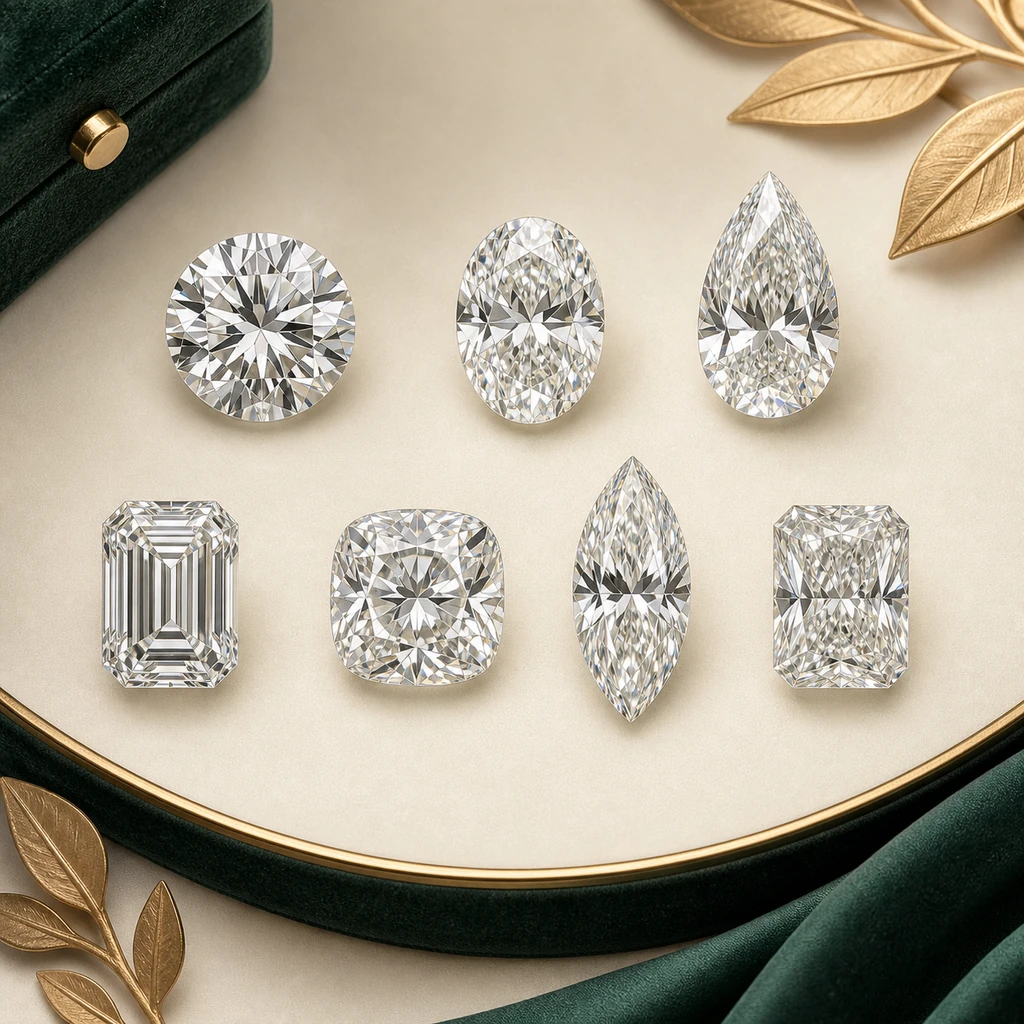
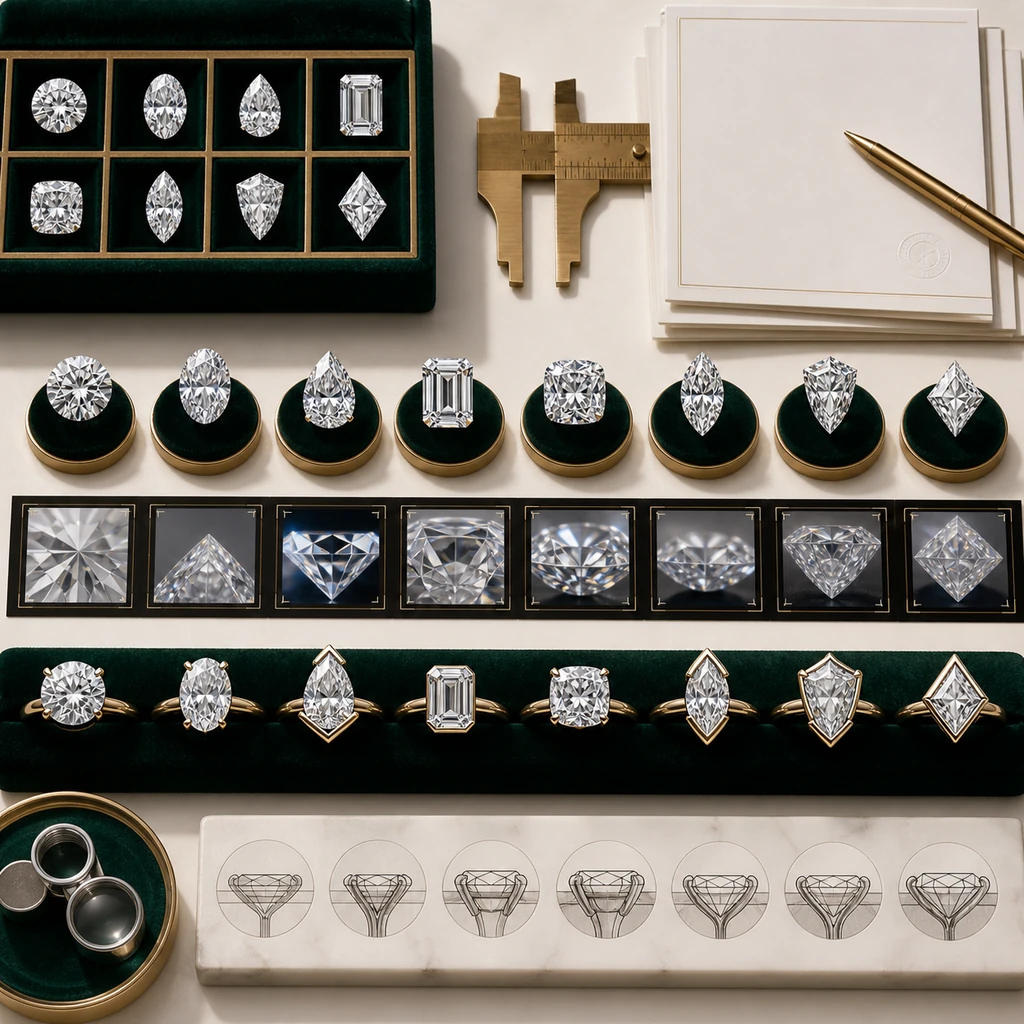
AI-generated educational visual; artistic representation.
The Essential Idea
Shape is the outline you see when looking at a diamond face-up. Round, oval, pear, emerald, and cushion are shapes; cut quality describes how successfully the diamond’s proportions, facets, polish, and symmetry work together.
There is no universally best shape. The right silhouette balances personal style, finger coverage, durability, setting design, and the kind of light performance you enjoy.
Shape describes the face-up silhouette, while cutting style describes the facet arrangement.
Two diamonds with the same shape and carat weight can look noticeably different.
Prongs, bezels, halos, side stones, and orientation all influence the final appearance.
The Shape Library
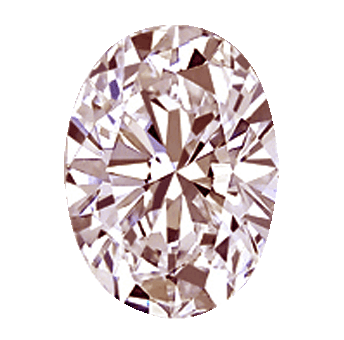
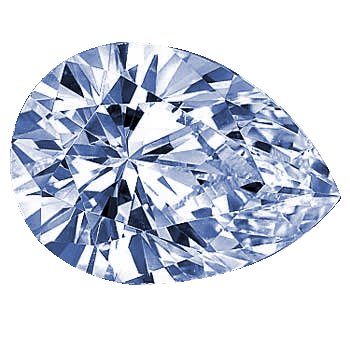
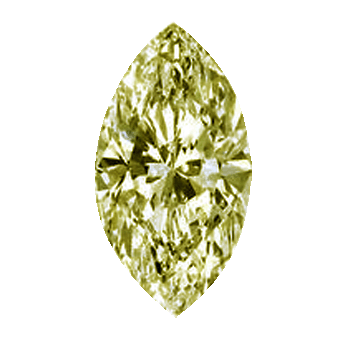
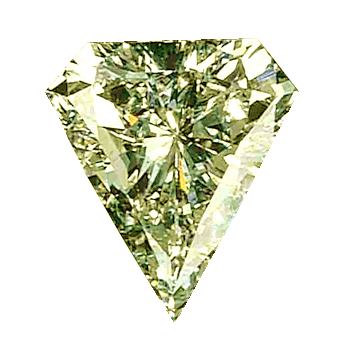
Round brilliant is the most familiar outline. Every non-round outline is generally called a fancy shape. Fancy shapes range from soft curves, such as oval and cushion, to crisp geometry, such as emerald, Asscher, princess, and radiant.
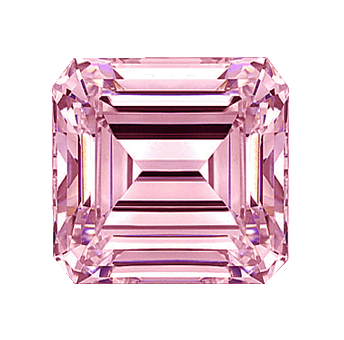
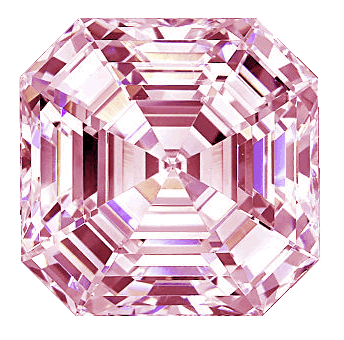
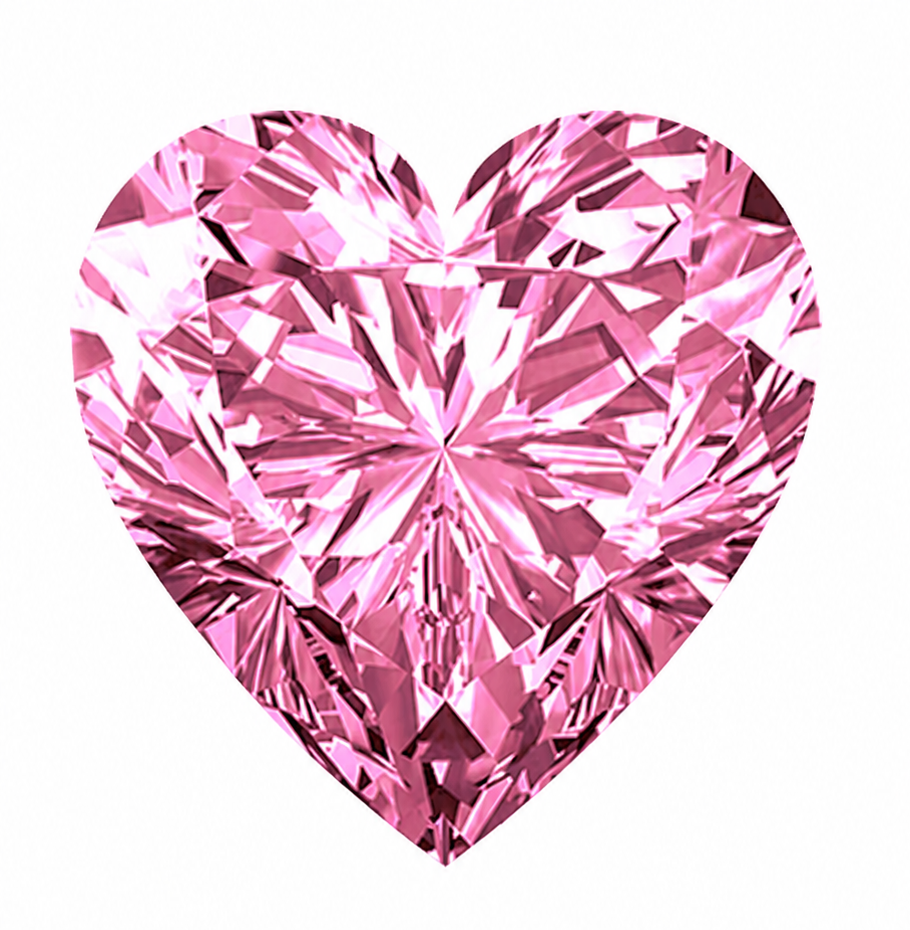
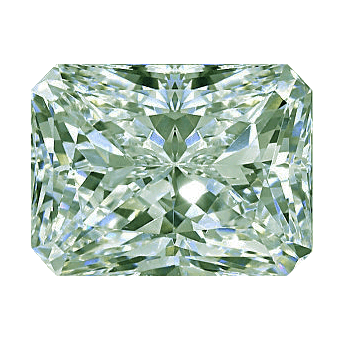
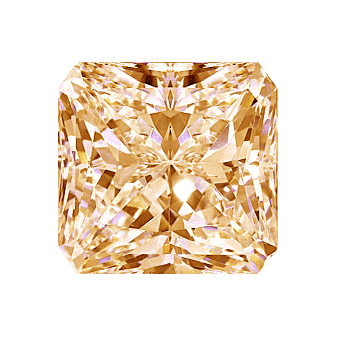
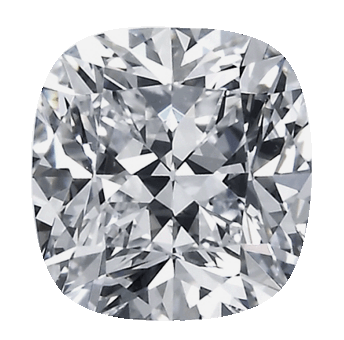
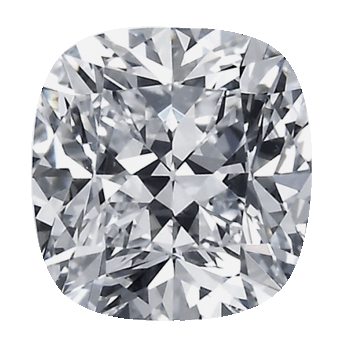
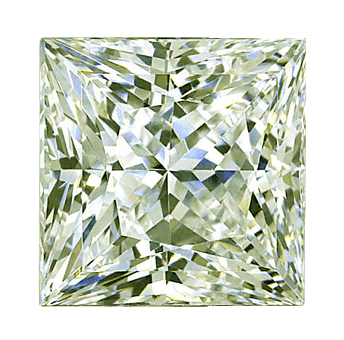
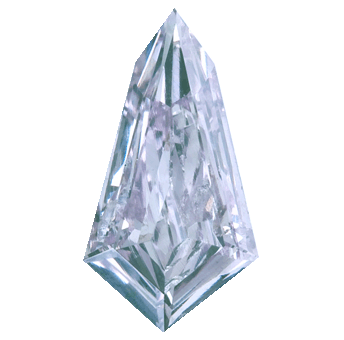
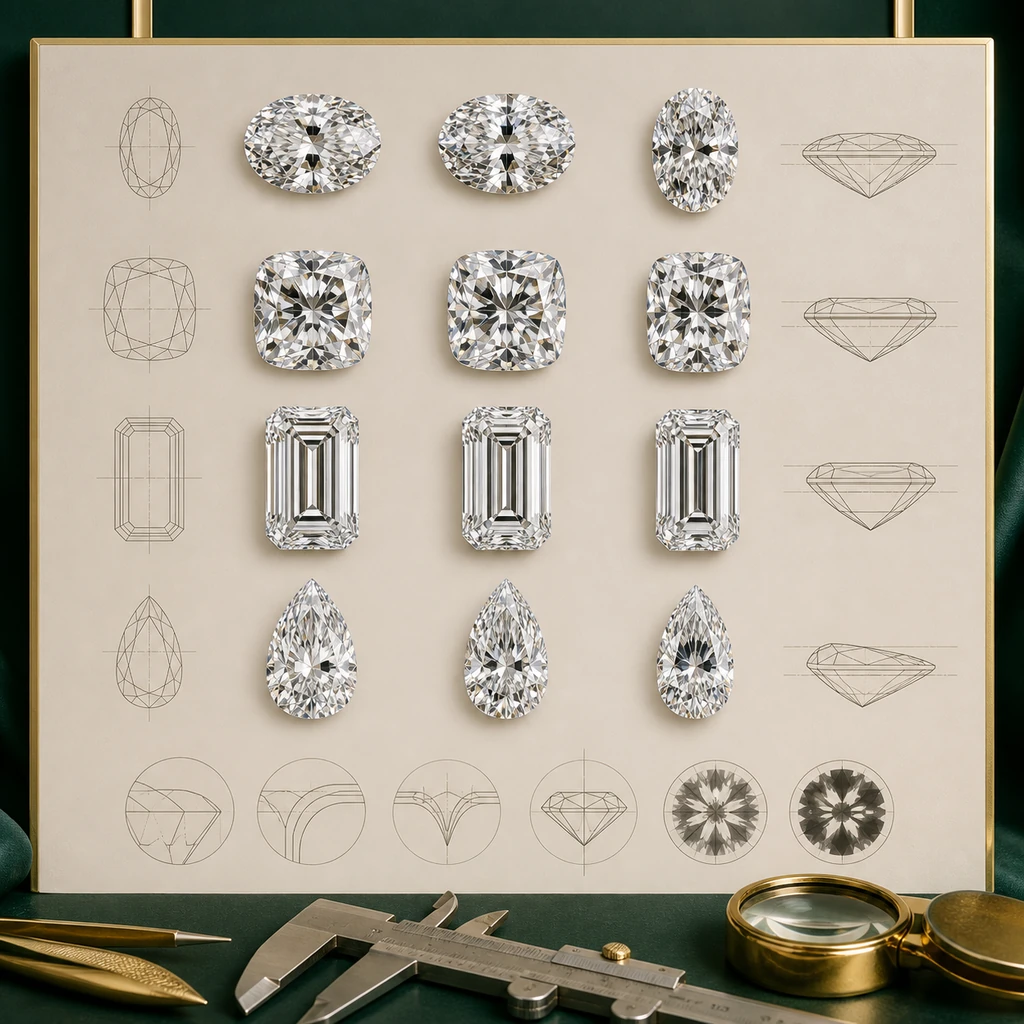
Below, compare the face-up outlines of brilliant, step, mixed, and distinctive fancy shapes—from symmetrical rounds and squares to elongated ovals, pears, marquises, and geometric silhouettes.
Facet Personality
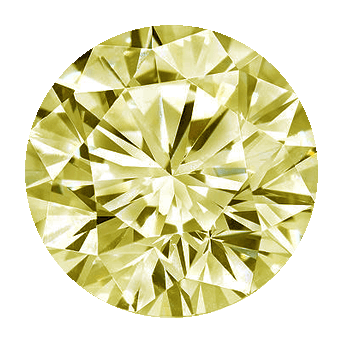
Brilliant-style facets are designed to produce lively sparkle and flashes of light. Round, oval, pear, marquise, heart, and many cushions use brilliant-style arrangements.
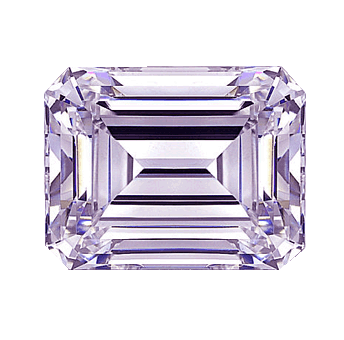
Step cuts use long, linear rows of facets that create broad flashes and a hall-of-mirrors effect. Emerald and Asscher cuts are the best-known examples. Radiant and some other designs combine geometric outlines with brilliant-style faceting.
Many small facets create lively sparkle.
Long linear facets create broad flashes.
Geometric outlines meet brilliant-style faceting.
Length, Width & Outline
Length-to-width ratio describes how long or compact a fancy-shaped diamond appears face-up. A lower ratio generally looks fuller or squarer; a higher ratio looks more elongated. The preferred ratio is a matter of taste, not a universal quality grade.
Also examine symmetry, corner shape, curve consistency, point alignment, and whether the outline feels balanced. Elongated shapes can offer generous finger coverage, while square shapes create a more compact presence.
Supporting Shapes
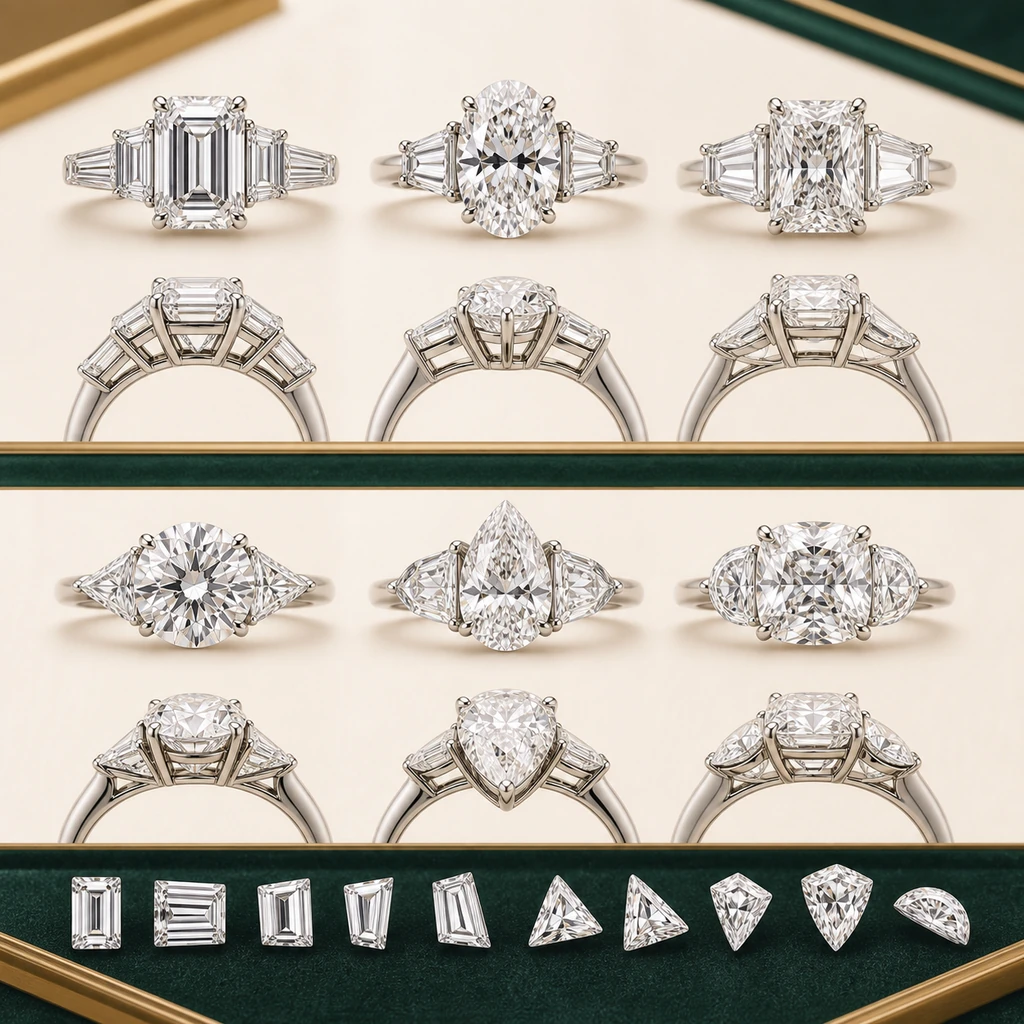
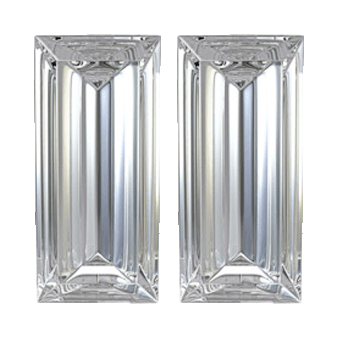
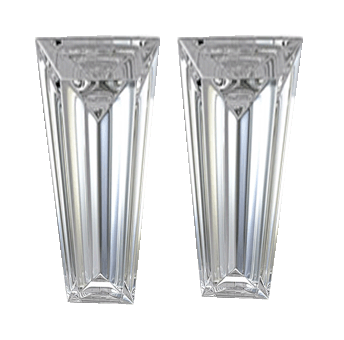
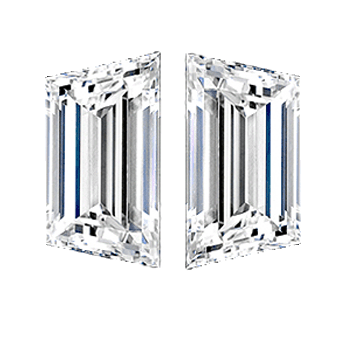
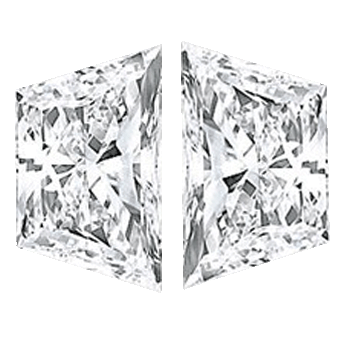
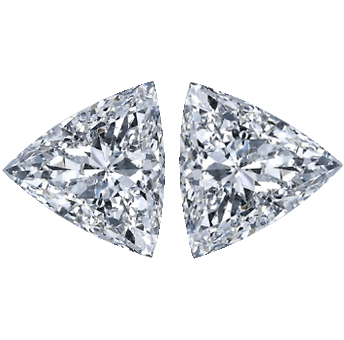
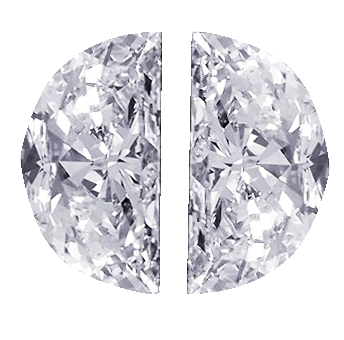
Baguettes, tapered baguettes, trapezoids, trillions, shields, and half moons are frequently used beside a center diamond. Their role may be quiet and architectural or bright and dramatic.
A strong three-stone design considers the relationship between facet styles, the angle of the side stones, the height of the settings, and the way the complete composition follows the finger.
Choosing With Confidence
Begin with the silhouettes that naturally attract you, then compare several real examples. Fancy shapes are not standardized to a single attractive outline, so photographs, videos, dimensions, and an independent report all add useful context.
For jewelry, durability matters alongside beauty. Corners and points may need protective prongs or a bezel, and very thin areas of the girdle deserve careful evaluation.
From Education to Exploration
Continue From Learning to Exploring
Terminology and facts were reviewed against current guidance from independent gemological and U.S. consumer-protection authorities. Report formats and services can change.